
The role of design in prototyping
Like I mentioned in my previous post, the role of „design“ in prototyping is a very interesting topic I think about a lot recently. When we are building prototypes we have to design them in a certain way. But what is the right level of design in prototyping? It’s import to understand that in Business Design we want to „learn“ something and don’t want „sell“ something. That’s huge, because this has implications on how we design prototypes:
The challenge with good design: With good design you can manipulate the customer (and the team) into liking an idea. People often like an idea because they like the design of the product not necessarily what the prouduct actually does. That’s dangerous, because in Business Design Sprints we want to learn if our business model throughout works (with it’s job(s) to get done, pains, gains etc.). We don’t want to learn if we can design good enough to trick people into liking our idea (this can produce „false positive“ test results in our experiments).
The challenge with bad design: If our prototype doesn’t have a certain level of visual appeal to it, we are in danger that our team stops believing that their idea will work. There is a motivational aspect of good looking products. It helps the team (and others) to believe, to be proud, to talk with others about it, and to be motivated to do the hard work for making the idea happen. That’s very important, because a dedicated team is probably the most important piece in Business Design.
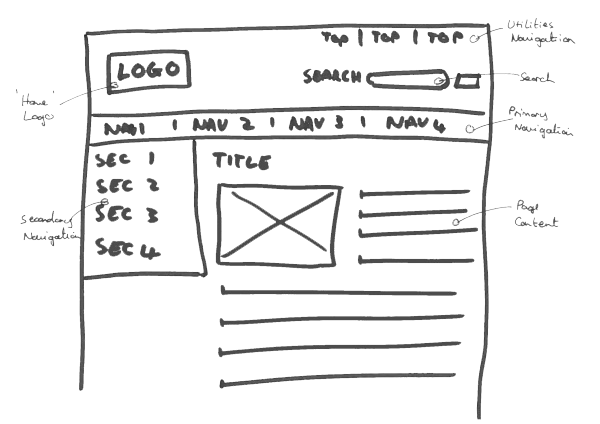
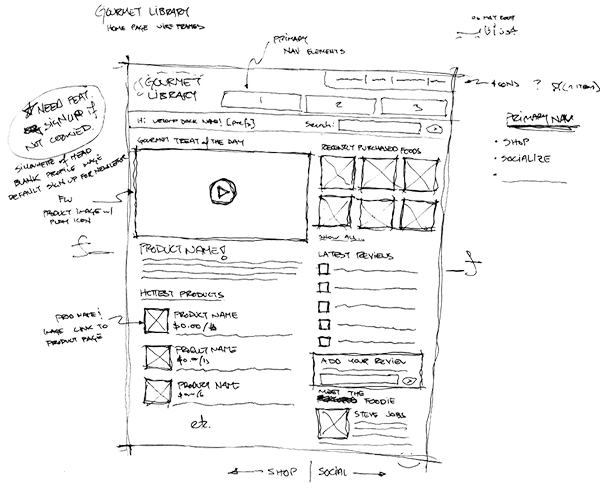
Therefore in my experience, prototypes need to be somewhere in between. Not too bad looking that we can’t inspire and motivate our team. But also not too good looking that we distort the learning results of the Business Design Sprint (in over-selling the idea). And you know what? Reaching this middle-ground is very hard. I struggle with it everyday!